
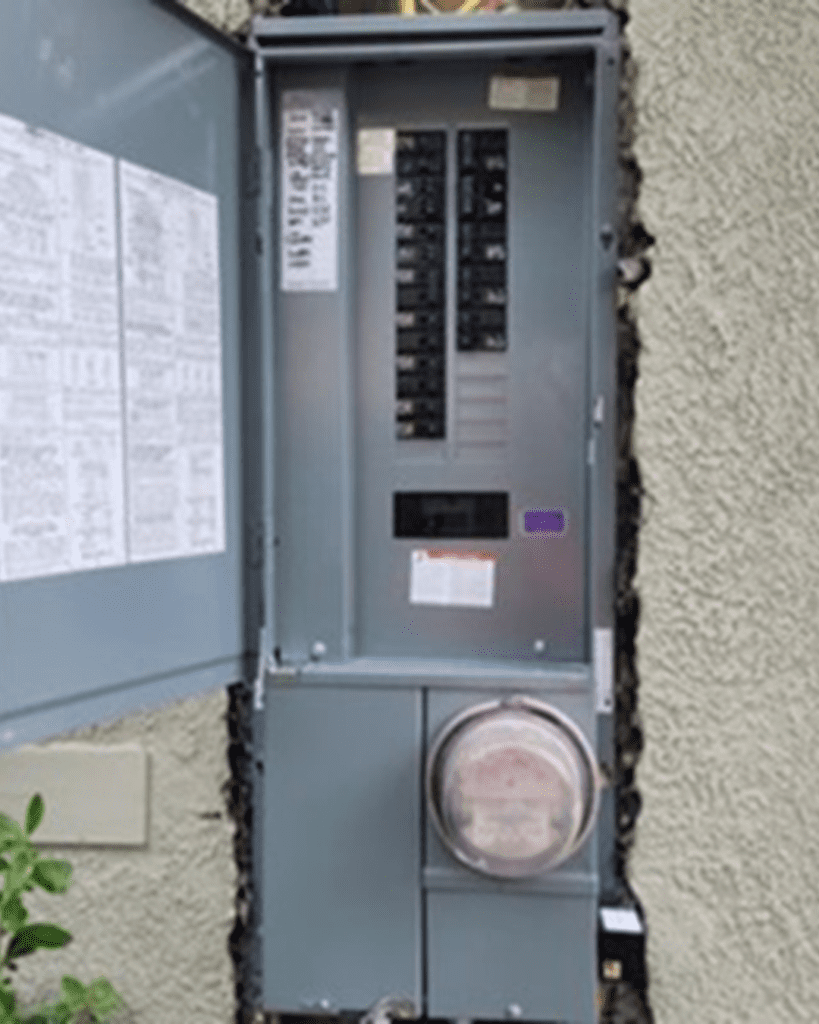
If you own an older home in Broomfield, CO, there’s a good chance your electrical system may still rely on an outdated fuse box. While these systems were once standard, they are no longer designed to support modern electrical demands.
So how do fuse boxes compare to today’s breaker panels-and more importantly, which is better for your home?
Let’s break it down.
What Is a Fuse Box?
A fuse box is an older type of electrical panel that protects your home from electrical overloads using single-use fuses. Inside each fuse is a small metal filament. When too much electricity flows through a circuit, the filament melts, cutting off power.
While this system does provide basic protection, it has several limitations:
Fuses must be replaced every time they blow
Most fuse boxes are limited to 60 amps of electrical service
They lack modern safety features
They are not designed for today’s electrical load
If your home still relies on a fuse system, it may struggle to support appliances like air conditioning, modern lighting, or an electric vehicle charging station.
What Is a Breaker Panel?
A breaker panel (also called a service panel or electric panel) is the modern replacement for fuse boxes. Instead of using disposable fuses, it uses circuit breakers that automatically trip when there’s an overload.
Key benefits of a breaker panel include:
Resettable breakers (no replacement needed)
Higher capacity (typically 100 to 200 amp panels or more)
Improved safety features like arc fault and ground fault protection
Better compatibility with modern appliances and home automation systems
A 200 amp service panel is now the standard for most homes in Broomfield, especially those undergoing renovation or electrification upgrades.
Fuse Box vs Breaker Panel: Key Differences
1. Operation
Fuse Box: Fuses melt and must be replaced
Breaker Panel: Breakers trip and can be reset instantly
2. Electrical Capacity
Fuse Box: Typically 60 amps
Breaker Panel: 100 amp, 150 amp, or 200 amp panels (and even 400 amp panels for large homes)
3. Safety
Fuse Box: Limited protection; higher risk of overheating and electrical fault
Breaker Panel: Advanced safety with arc fault protection, better grounding, and improved circuit monitoring
4. Convenience
Fuse Box: Requires replacement parts
Breaker Panel: Easy reset with a switch
5. Code Compliance
Fuse Box: Often outdated and may not meet current electrical code
Breaker Panel: Meets modern standards and inspection requirements
Why Breaker Panels Are Better for Broomfield Homes
Modern homes in Broomfield require significantly more power than older homes. Between heat pumps, air conditioning systems, electric cooktops, refrigerators, EV charging stations, and smart home systems, electrical demand continues to increase.
A breaker panel provides:
Higher Electrical Capacity
A 200 amp breaker box supports today’s appliances and future upgrades without overloading your system.
Improved Safety
Modern breaker panels reduce the risk of electrical faults, overheating, and fire hazards.
Insurance and Resale Benefits
Many insurance companies are hesitant to cover homes with fuse boxes due to safety concerns. Upgrading to a modern panel can improve insurability and resale value.
Future-Proofing Your Home
Whether you plan to install solar, add a charging station, or expand your home, an upgraded electrical panel ensures your system is ready.
When Should You Replace a Fuse Box?
You should consider Electrical Panel Replacement in Broomfield, CO if:
Your home still uses a fuse box
You’re planning a remodel or home improvement project
You’re upgrading to modern appliances
Your system frequently loses power
You notice heat, buzzing, or burning smells near the panel
Your electrical service is under 100 amps
Many homeowners researching Breaker Panel Replacement Broomfield CO discover that upgrading proactively is far safer-and more cost-effective-than waiting for a failure.
What Does It Cost to Upgrade?
The cost to replace a circuit breaker panel typically ranges between:
$2,000 to $5,000+ for a standard 200 amp service panel
Higher if a full electrical service upgrade, meter replacement, or wiring updates are required
Factors that affect price include:
Existing panel size (100 amp panel vs 200 amp panels)
Condition of electrical wiring
Permit and inspection requirements
Labor and installation complexity
While the upfront price may seem significant, an upgraded electrical panel is a long-term investment in safety, reliability, and home value.
Why You Need a Licensed Electrician
Replacing a fuse box with a breaker panel involves:
Upgrading electrical service and wiring
Coordinating with the utility provider
Meeting National Electrical Code requirements
Installing proper grounding and safety systems
This is not a DIY project. A licensed electrician ensures your electrical panels are installed safely and correctly.
Upgrade Your Home with Confidence
If your home still relies on an outdated fuse system, now is the time to consider an upgrade.
At Positively Charged Electric, we specialize in breaker panel replacement in Broomfield, CO and surrounding areas. Our team provides:
Thorough panel inspections
Transparent pricing and detailed quotes
Safe, code-compliant installations
Electrical service upgrades tailored to your home
Contact Positively Charged Electric today to schedule your electrical panel evaluation and upgrade your home with confidence.
FAQ: Fuse Boxes vs Breaker Panels
Fuse boxes are not inherently dangerous, but they lack modern safety features and can become hazardous if overloaded or improperly maintained.
No. Converting a fuse box to a breaker panel requires a full electrical service upgrade and must be completed by a licensed electrician.
Most modern homes require a 200 amp service panel to safely support appliances, HVAC systems, and future upgrades.
In many cases, yes. Insurance companies often prefer homes with updated electrical systems and may charge higher premiums for homes with fuse boxes.
Most panel replacements take 1-2 days, depending on the scope of work and inspection requirements.